An electrical panel upgrade replaces the breaker panel that feeds every circuit in your home, usually to add capacity, fix aging or unsafe equipment, or make room for a heat pump, induction range, EV charger or a smart home. In NYC, a standard panel replacement typically runs $1,500 to $3,000, and a 100 to 200 amp upgrade runs $3,000 to $5,000. Before you pay for either, get a load calculation. Plenty of homes don't need the biggest panel on the market.
What a panel upgrade actually is
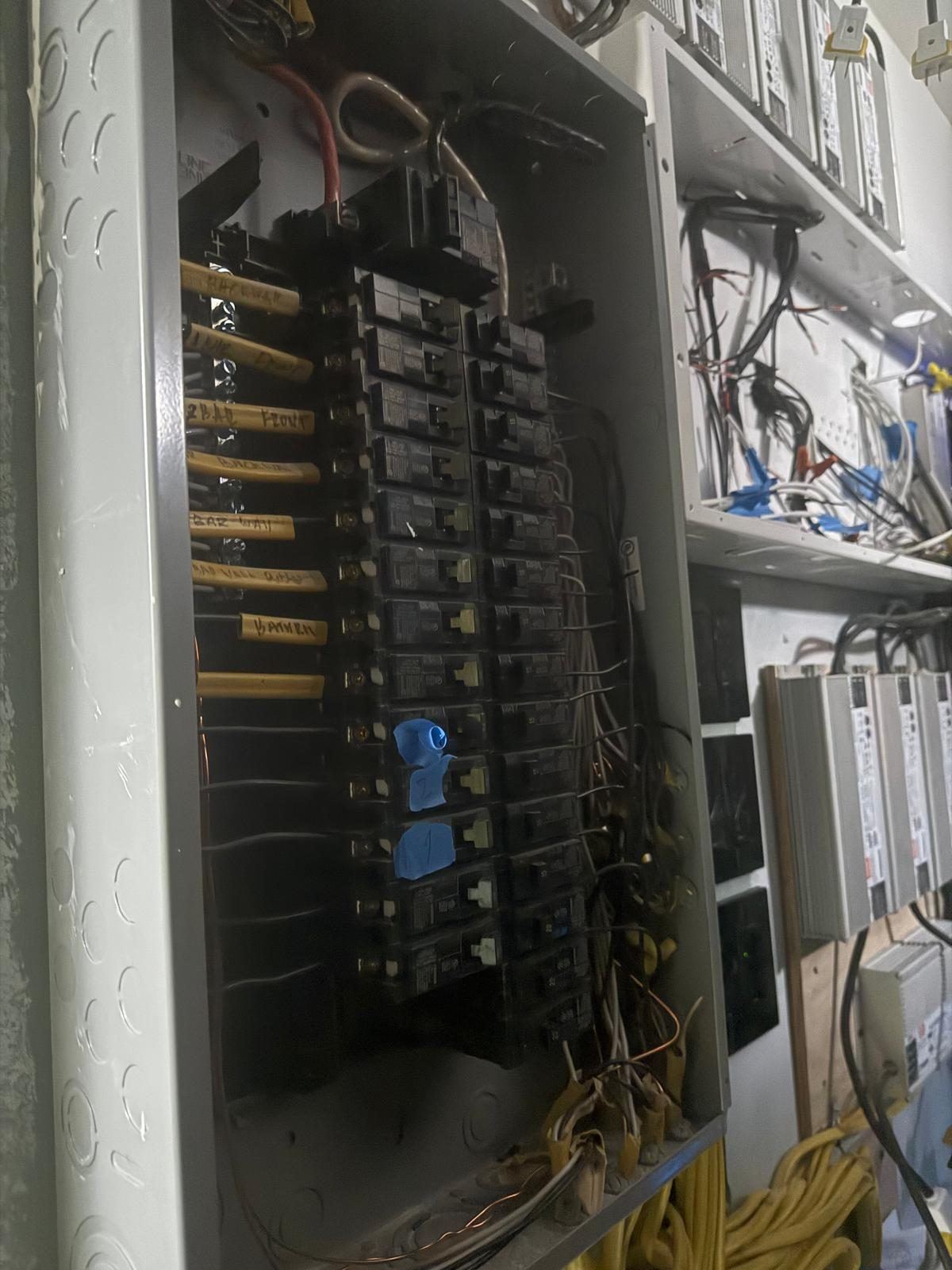
The panel is where utility power enters your home's wiring and splits into circuits, each protected by a breaker. "Panel upgrade" can mean three different jobs:
- Like-for-like replacement. A new panel of the same size, when the existing one is worn, recalled or missing modern protection.
- Service increase. For example 100 to 200 amps. Usually a new panel plus heavier service conductors, often a new meter socket, and coordination with the utility.
- Subpanel. A second panel feeding a new kitchen, addition or basement without replacing the main panel.
Cost, permit path and timeline are different for each. A replacement can be done in a day. A service increase depends on the utility's schedule.
Signs you may need an upgrade
Watch for the warning signs electrical safety groups like ESFI point to:
- Breakers that trip often
- Lights that dim or flicker when appliances start
- Burning smells near the panel or outlets
- Discolored or warm switch plates and outlets
- Buzzing or crackling from the panel
A burning smell or a hot panel isn't a wait-and-see situation. Turn off what you safely can and call a licensed electrician or Con Edison's emergency line.
Planned changes that trigger an upgrade
Most upgrades aren't triggered by a problem. They're triggered by a plan:
- Switching from gas to electric: heat pump, induction cooktop, heat pump water heater
- An EV charger
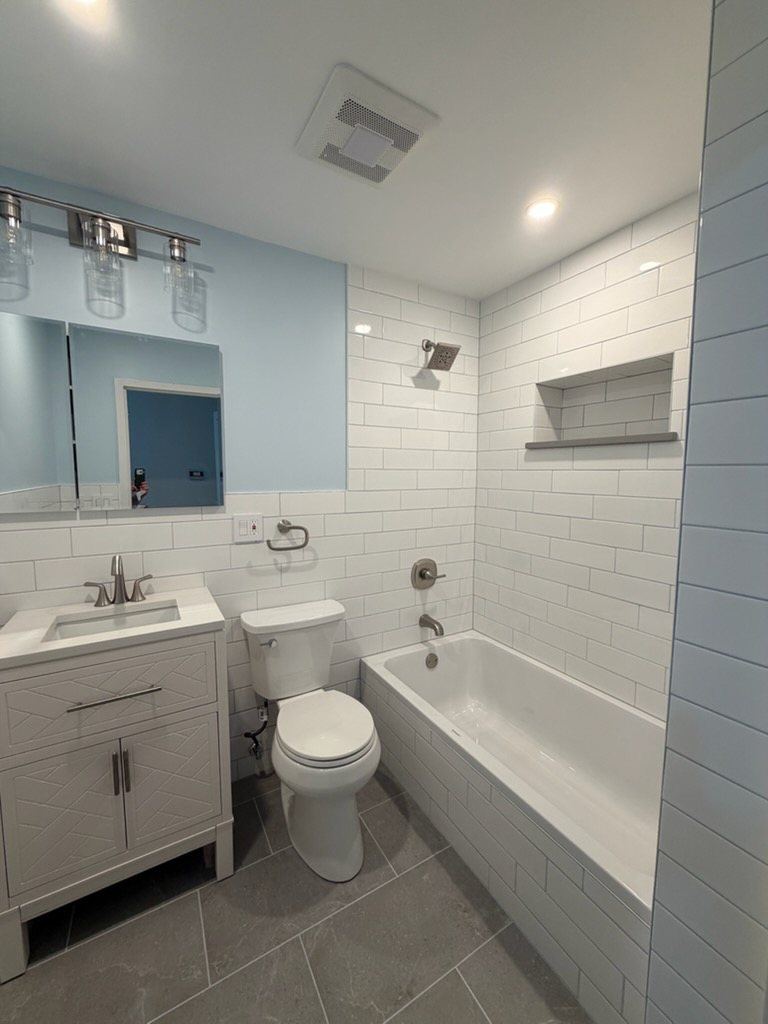
- A kitchen or bathroom remodel with new circuits, heated floors or a steam shower
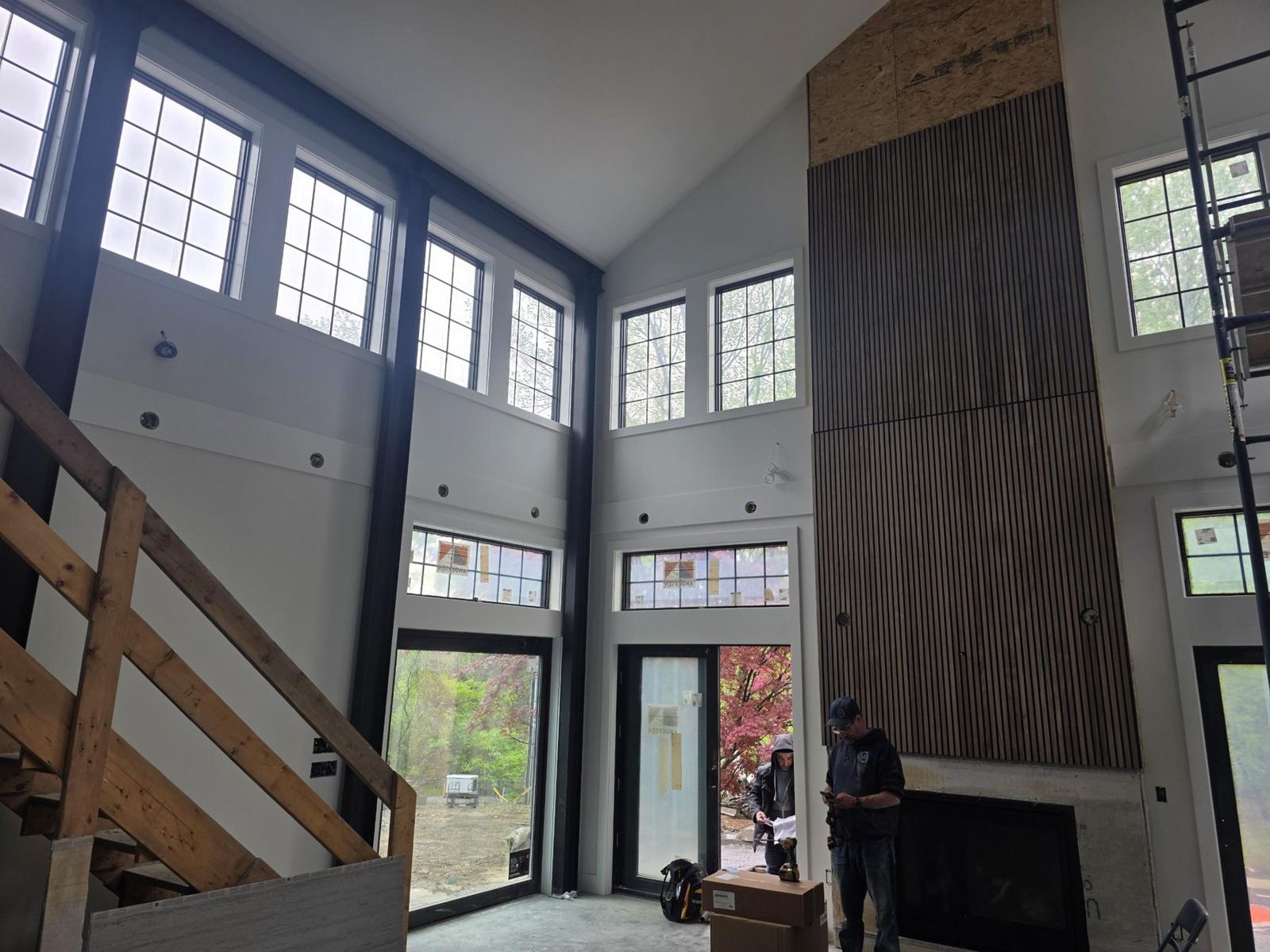
- A gut renovation or addition
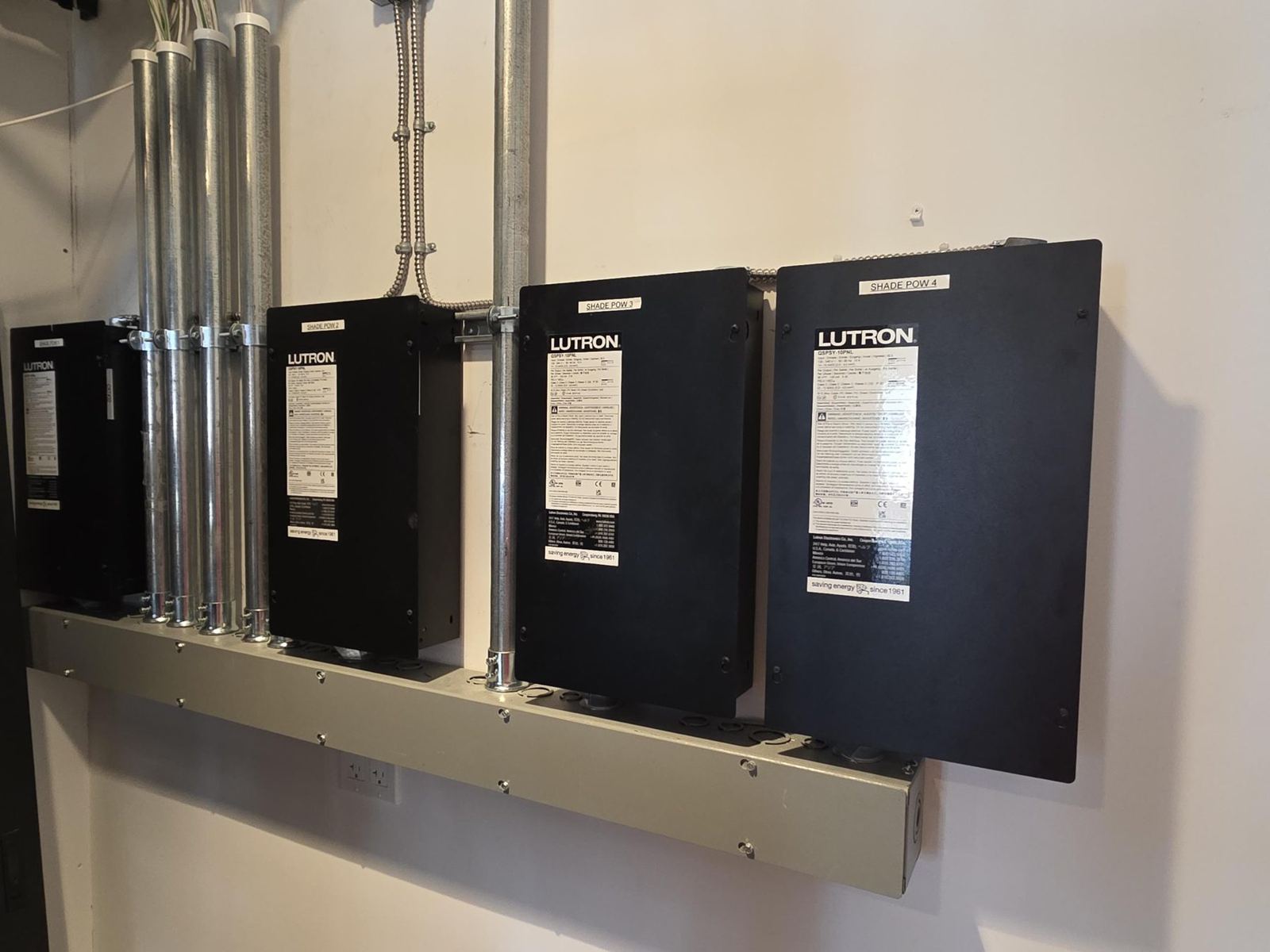
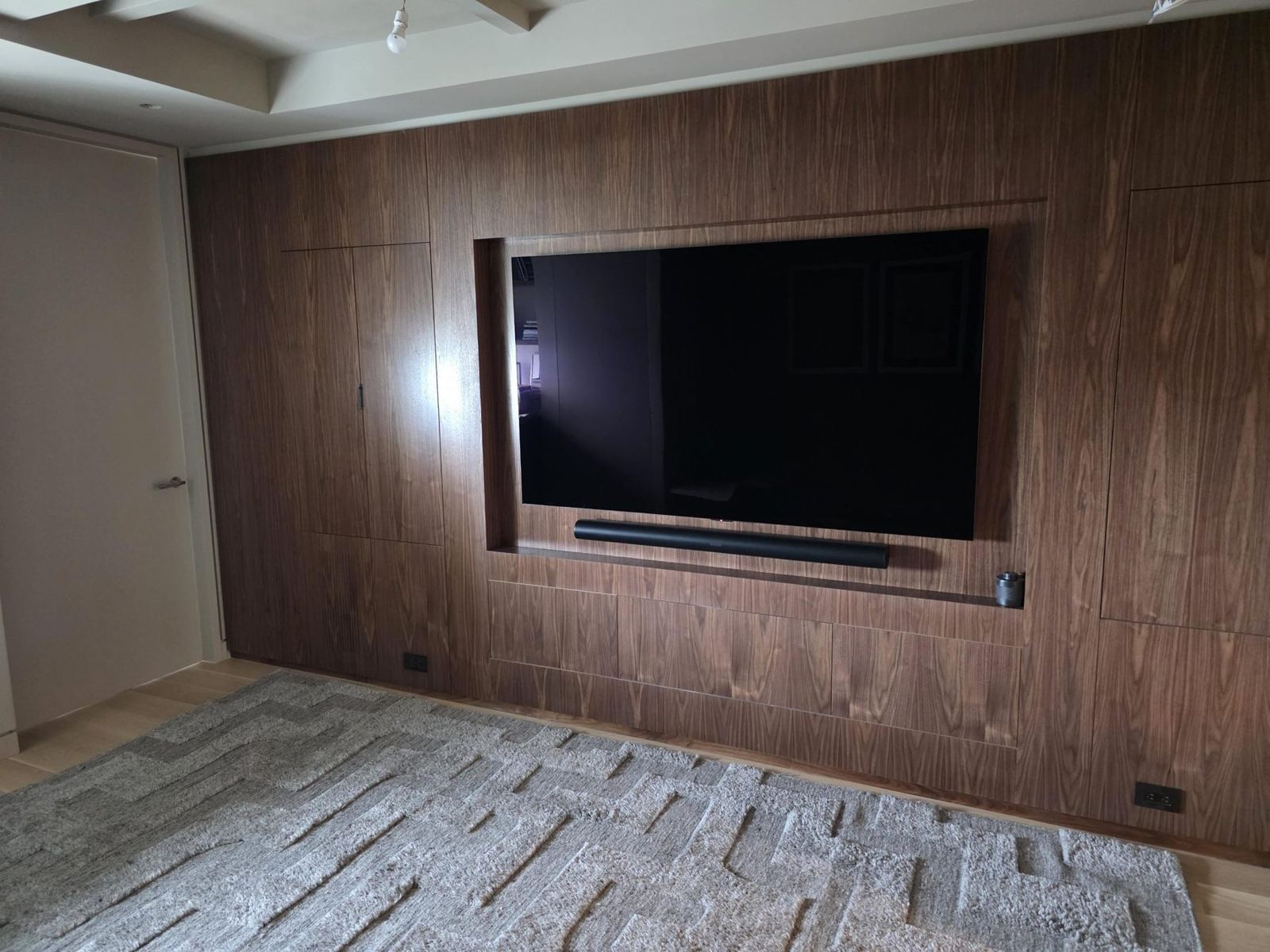
- A smart home build with lighting control, motorized shades, a media room or a home theater
If your project is on this list, the panel belongs in the first walkthrough, not as a surprise in week six.
Bigger panel, or a smarter plan?
This is the step most cost guides skip. A licensed electrician should run a load calculation: your existing and planned demand compared against the service you have. There are three common outcomes:
| Result | What it means | Typical next step |
|---|---|---|
| Service has headroom | The panel is out of breaker spaces, not out of capacity | Subpanel or a larger panel on the same service |
| Capacity is tight | New loads would push past the service | Load management, a smart panel, or an upgrade |
| Service is undersized | The utility connection is the limit | Service upgrade with the utility |
Load-management devices and smart panels can sometimes avoid a service increase entirely. Be skeptical of any quote that skips the calculation. When two electricians give wildly different numbers, the difference is usually whether anyone measured the load.
What a panel upgrade costs in NYC
| Job | Typical NYC cost |
|---|---|
| Standard panel replacement, same amperage | $1,500 to $3,000 |
| Upgrade from 100 to 200 amps | $3,000 to $5,000 |
| Utility-side service work | Additional, set by the utility and the site |
For comparison, New York State's MyEnergy program puts typical panel upgrades at $1,000 to $2,500 statewide, and notes that a utility service upgrade can be an additional cost. NYC runs higher because of Master Electrician labor, DOB permits and inspections, tight basements and utility rooms, older wiring, and co-op or condo requirements.
What moves the price
- Amperage. Going to 200 amps means heavier conductors and often a new meter socket.
- Location and access. A panel inside a finished wall or tight closet takes more labor.
- Existing wiring. Old cloth-sheathed or ungrounded circuits may need correcting.
- New circuits. Each dedicated circuit for a range, EV charger or heat pump adds labor and wire.
- Utility involvement. Service changes add time, and some of the cost comes from the utility.
- Protection devices. AFCI, GFCI and surge protection add hardware.
- Permit and inspection. Required for panel work in NYC.
Safety upgrades that belong in the scope
An upgrade is more than adding amps. A good scope covers:
- AFCI and GFCI protection where the current code calls for it
- Whole-house surge protection, which the 2020 National Electrical Code made a requirement for new and replaced residential services, as NFPA summarizes. It matters even more in a home full of automation controllers and AV equipment.
- Proper grounding and bonding
- Clear labeling of every circuit
Permits and inspections in NYC
According to the NYC Department of Buildings, no installation or modification of an electrical system can be done without a permit and a Licensed Master Electrician. General electrical work also requires a DOB inspection; certain minor replacements and repairs need the permit and licensed electrician but no inspection. Panel work is not a handyman or DIY job, and the service conductors stay live even with the main breaker off.
Co-ops and condos
In a co-op or condo, the building usually adds its own alteration agreement, insurance requirements and contractor rules on top of the city's. Your unit's capacity may also be limited by the building's risers, not just your panel. Our guide to renovating a co-op or condo in NYC covers how to plan around board approval.
Talk to the utility early
If your project adds significant load, your service may need to grow, and that work runs on the utility's schedule. Con Edison's home electrification guide is a good starting point for customers in its territory. The panel itself may take a day to install. Waiting on the utility is what stretches the timeline, so start that conversation as soon as the load calculation shows you need it.
Rebates and tax credits
Incentives change, so check the date on anything you read. The federal Section 25C credit that used to cover part of a panel upgrade no longer applies to property placed in service after December 31, 2025. New York's income-eligible programs such as EmPower+ may still help; confirm eligibility with the state or your utility before you plan around it.
Treat the panel as part of the renovation
Panel upgrades usually go wrong at the edges: between the electrician and the plumber, the electrician and the utility, the electrician and whoever installs the smart home. Each trade finishes its piece and the gaps show up as delays and rework.
At One Build NYC, contracting, plumbing, electrical and automation run under one contract, one schedule and one point of contact. That changes how a panel upgrade plays out:
- The load calculation happens at the walkthrough. The electrician sees the planned kitchen, heat pump, lighting control and media room before the panel is sized, not after.
- Open walls get used. New circuits are far easier to run during a renovation than through finished walls later.
- Inspections are sequenced. Rough-in, inspection and close-up are scheduled together, with no waiting on another contractor.
- Protection is in the scope. If you're investing in automation, surge protection is part of the quote.
If all you need is a single-trade panel swap, a specialist electrician may be the simpler fit. If the panel is one piece of a bigger plan, one accountable team saves more than it costs.
How to plan your upgrade
- List what you'll add over the next five to ten years: heat pump, induction range, EV charger, finished basement, smart home.
- Get a load calculation from a licensed electrician before choosing an amperage.
- Ask about load management or a smart panel if you're close to the limit.
- Check building rules if you're in a co-op or condo, or rent out units.
- Contact the utility early if the service needs to grow.
- Get a written scope that names the permit, inspection, surge protection and any wiring corrections.
- Pair it with your kitchen, bathroom or gut renovation if one is coming.
- Confirm the inspection sign-off before walls close.
Questions to ask any electrician
- Are you a Licensed Master Electrician in NYC, and who files the permit?
- Did you do a load calculation, and can I see it?
- Does the quote include the meter socket and service conductors, or only the panel?
- Which protection is included: AFCI, GFCI, surge?
- What happens if the utility or the inspector requires changes?
- Who coordinates with the other trades on my project?
Vague answers are a bigger warning sign than a high price.
See our licensed electrical services, or how panel work fits into a full renovation or a smart home build.
FAQ
How much does an electrical panel upgrade cost in NYC?
A standard panel replacement typically runs $1,500 to $3,000. Upgrading from 100 to 200 amps typically runs $3,000 to $5,000. Utility-side service work, wiring corrections and added circuits are extra, so the real number comes from a walkthrough and a written quote.
Is a panel upgrade worth it?
Yes when you're adding major loads, the panel is worn or unsafe, or an inspector flags it. Not when a load calculation shows you have enough capacity and a simpler fix works. Doing it during a renovation, while walls are open, gives the best value.
Do I need a 200-amp panel?
200 amps is common for homes moving heating, cooking and car charging to electric. The right size comes from a load calculation, and load management can sometimes avoid a service upgrade.
Can I upgrade my electrical panel myself in NYC?
No. NYC requires a permit and a Licensed Master Electrician for any installation or modification of an electrical system.
Is there still a federal tax credit for panel upgrades?
The Section 25C credit doesn't apply to property placed in service after December 31, 2025. State and utility programs may still help; check MyEnergy and your utility.