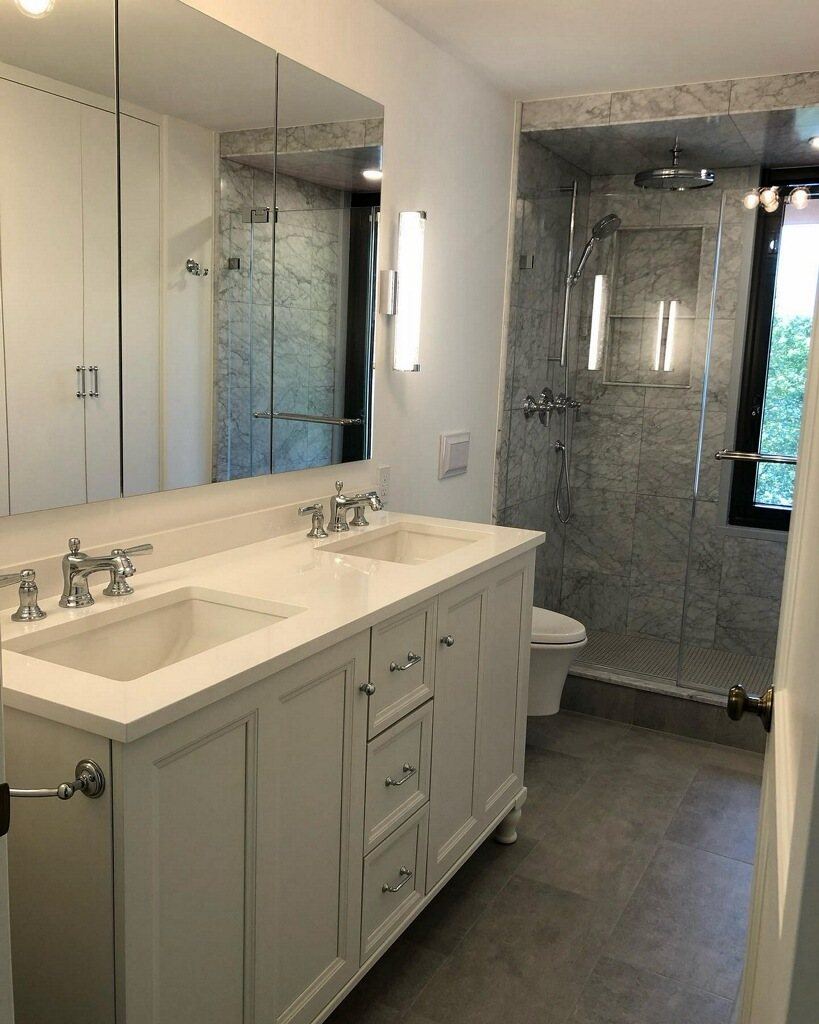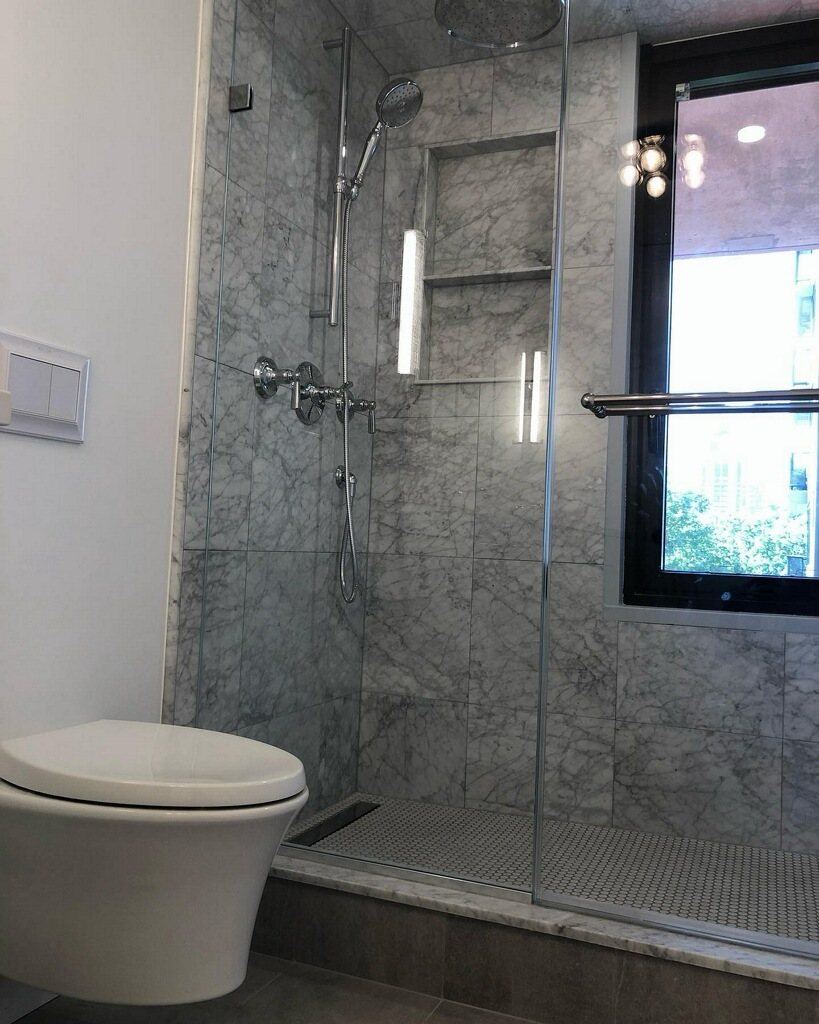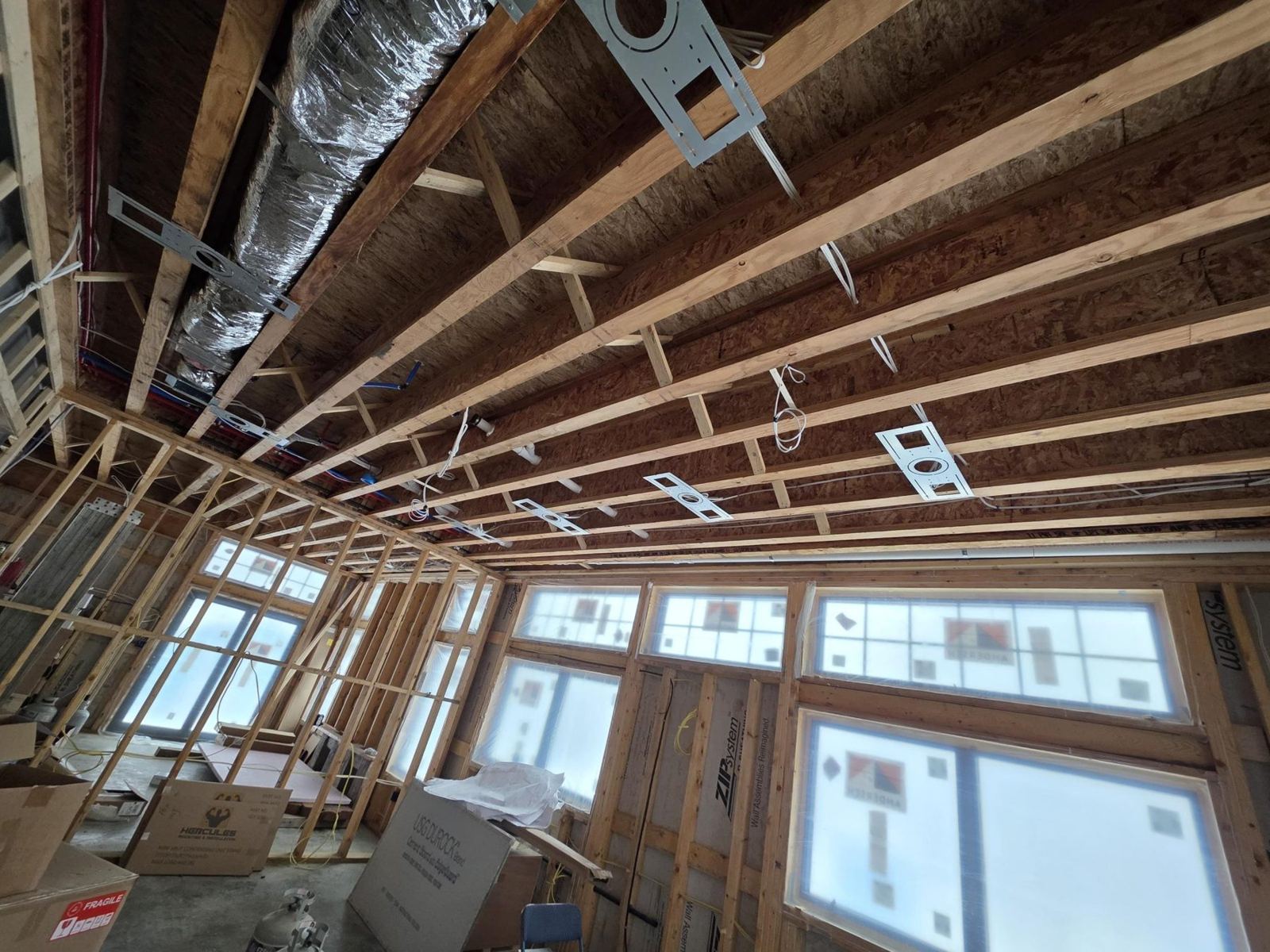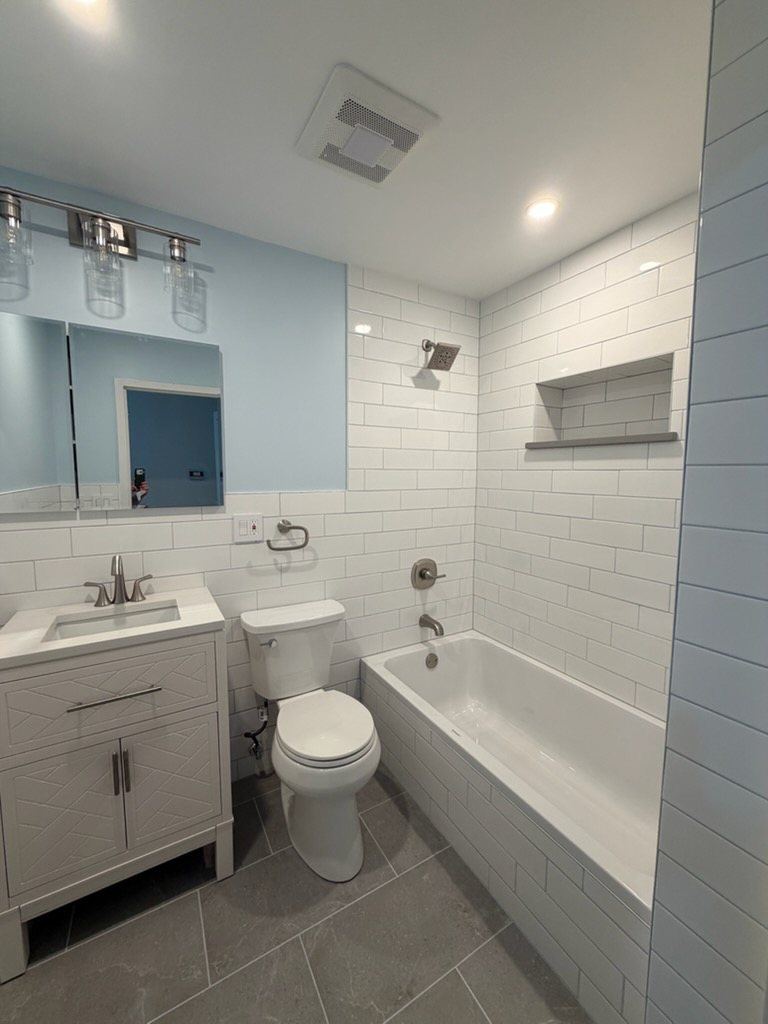
A budget bathroom works when you keep the plumbing where it is, spend on what you touch every day, and don't cut corners on anything behind the wall. In New York, licensed labor, building rules and permits change the math, so national "remodel for $5,000" numbers don't apply here. This guide covers where the money goes, where to save, and where saving costs you more later.
What a bathroom actually costs in NYC
Most price guides online quote national averages, and some promise a full remodel for under $5,000. Those numbers don't hold in New York City or northern New Jersey, where licensed plumbers and electricians, building insurance requirements, limited co-op work hours, freight elevator bookings and debris removal all add cost.
Here's how we price it:
| Scope | What it includes | Realistic budget |
|---|---|---|
| Cosmetic refresh | Paint, hardware, mirror, accessories, a new light fixture | Small, especially if you do the painting yourself |
| Fixture swap | New vanity, toilet and faucet in the same locations | Depends on fixtures and plumbing condition |
| Gut remodel, basic finishes | Down to the studs, new waterproofing, tile, vanity, fixtures, fan and lighting | At least $15,000 to $25,000 |
| Luxury bathroom | Stone, custom glass, steam, heated floors, layout changes | No real ceiling: finishes and scope decide it |
The jump from a fixture swap to a gut remodel is where most budgets break, because the walls come open and every trade gets involved.
Start by naming the problem
Before pricing anything, write down what actually bothers you about the room. Each complaint leads to a different budget:
- It's dark. A lighting problem. A new fixture and brighter, better-placed light go a long way.
- It's dated. A surface problem. Paint, hardware and a new faucet fix most of it.
- It doesn't work. A layout or plumbing problem, which is where costs climb.
Where to save
Keep the layout
This is the rule that matters most. Consumer Reports notes that the biggest costs come from relocating fixtures, because walls and subfloors have to come open to reach the pipes; its example puts moving a toilet a single foot at about $1,000. In older NYC buildings, where risers and drain lines run through walls and floors you can't see, the effect is bigger. Keeping the toilet, sink and tub or shower where they are is the most reliable way to hold a budget.
Spend on what you touch, save on large surfaces
Put money into the faucet, showerhead and shower glass. Save on large surfaces: standard-size tile, a stock vanity, a simple mirror. Cheap tile installed well beats expensive tile installed badly.
Choose WaterSense fixtures
If you're replacing a toilet, look for the WaterSense label. These fixtures are certified to use at least 20% less water than standard models, and swapping an old 3.5 to 5 gallon toilet for a 1.28 gallon model pays back on the water bill.
Refinish instead of replace
A tub or tile in sound condition can often be refinished instead of torn out. Demolition and disposal are real line items, especially in buildings with freight and debris rules, so anything you keep is money kept.
Where not to cut
- Waterproofing. Behind tile, in the shower pan, at the tub edge. Failure is invisible until it's expensive, and in an apartment it becomes your downstairs neighbor's ceiling.
- Plumbing connections. Leaks inside walls cause mold and rot. This is how a small job turns into a big one.
- Electrical. Bathrooms need proper protection near water. New outlets and lighting circuits belong with a licensed electrician.
- Ventilation. A weak exhaust fan ruins new paint and grout. A better fan costs far less than repairing moisture damage.
- Tile setting. Precision matters most in the shower, where bad slope or thin-set coverage leads to leaks.
NYC permits: the budget item people forget
The NYC Department of Buildings says permits may be required for bathroom renovations depending on complexity. Adding a bathroom, rerouting gas piping, adding electrical outlets or moving a load-bearing wall needs an alteration permit filed by a licensed Professional Engineer or Registered Architect. Unpermitted work can bring a Class 1 violation with a fine of up to $25,000, plus the cost of legalizing or removing the work.
Co-ops and condos add their own layer: most require board approval and an alteration agreement before any work starts, whether or not the city needs a permit. Our guide to renovating a co-op or condo in NYC walks through that process.
This is one more reason to keep the layout. A like-for-like remodel is simpler on paperwork than a new floor plan.
A budget plan you can follow
- Pick the scope. Cosmetic refresh, same-layout remodel, or gut. Be honest about which problem you're solving.
- Inspect first. Soft floors, stained ceilings below, loose tile and slow drains decide whether you can stay cosmetic.
- Freeze the layout unless there's a strong reason to move something.
- List every line item: demolition, plumbing, electrical, waterproofing, tile, fixtures, vanity, fan, lighting, disposal, permits, building requirements.
- Hold a contingency. Older buildings hide surprises. Set it aside before the wall opens, not after.
- Split the work. Do the painting and accessories yourself if you want. Hire licensed trades for anything with water, gas or wiring.
- Sequence the trades. Plumbing and electrical before tile, tile before vanity and fixtures. See the right order of trades in a bathroom renovation.
Budget is a sequencing problem
Most budget bathrooms don't go over because the tile was too expensive. They go over because the trades weren't coordinated: the plumber opens a wall, the electrician comes a week later and needs it opened again, the tile setter waits on both, and every gap is a day you pay for.
At One Build NYC, contracting, plumbing, electrical and low-voltage work run under one contract and one schedule, and every trade is part of the first walkthrough. Plumbing, wiring, the fan and lighting are planned together before a wall comes down. That's where real savings come from: not cheaper work, but no rework and no idle days.
If the walkthrough shows a cosmetic refresh will do the job, we'll tell you that instead of selling you a gut renovation.
Questions to ask before you sign any quote
- Is the plumbing and electrical done by licensed professionals, and who is responsible if something fails?
- Does the quote list demolition, waterproofing, permits, building requirements and disposal separately?
- Does the price assume the current layout? What happens if a hidden problem turns up?
- Who files permits, and does the building need paperwork first?
- Is there one schedule and one person to call when something changes?
A quote much lower than the others is usually missing something on this list.
FAQ
Can you remodel a bathroom in NYC for $5,000?
Not a real remodel with licensed trades. That budget covers cosmetic updates like paint, hardware, a mirror and a light fixture, and maybe a faucet swap. Once walls open, plumbing moves or wiring is added, you're in gut-remodel territory.
How much does a gut bathroom remodel cost in NYC?
A basic gut remodel with standard finishes and the layout unchanged starts at roughly $15,000 to $25,000. Luxury bathrooms with stone, custom glass, heated floors or layout changes go well beyond that, and the finishes decide how far. A walkthrough and a written scope give you the real number for your room and building.
What's the cheapest way to make a bathroom look new?
Fix any leaks or moisture problems first, then paint, replace the light fixture, upgrade the exhaust fan and swap the hardware and faucet. Those changes do most of the visual work for the least money.
Do I need a permit for a bathroom remodel in NYC?
Often. Adding a bathroom, rerouting gas, adding outlets or moving a load-bearing wall requires a DOB permit filed by a licensed engineer or architect. Co-ops and condos usually require board approval as well. Confirm both before work starts.